We from the editorial team — black and white — of a Pretoria daily newspaper, used to mingle freely during one staff party or the other.
You would see me and photographer Julani van der Westhuizen gossiping about how the blue-collar workers from the printing plant shied away from each other in terms of racial profiling.
But then those were the days of imaginary racially-defined workplace identities, which the employer tried to discourage at all costs.
Someone suggested that to know a man (or woman) better, offer them a “dop” (dram) of “mampoer” (peach brandy) or “mqombothi” (sorghum beer).
Christmas parties being what they are, liquor often flows freely at such events.
Now during my stint as a journalist for the Pretoria daily newspaper, both editorial staff and printing plant person-nel would gather in small groups for Yuletide or some other event.
The black and white editorial staff mingled and giggled about coalface experiences, such as when photographer John Rhusa was treated to a dose of hot pepper in the eyes during a rally hosted by the militant Afrikaner Weerstandsbeweging (AWB) on Church Square.
Not so with the black and white workers from the printing plant; it was a question of whites on one side and blacks to the other.
But as soon as alcohol triggered a whirlwind in the head, Julani and I would giggle as soon as our printing plant colleagues played the proverbial “toenade-ring”(closer to-gether), freer to talk to each other about the rising price of tobacco, among others.
I was reminded about all this when I re-established contact with some acquaintances from the Pretoria Township of Mamelodi, at a smallholding on the outskirts of Bela-Bela.
Here we travelled down memory lane, reminiscing about how struggle hero Solomon Kalushi Mahlangu used to sell apples in the suburban passenger carriages between Pretoria and the Eerste Fabrieke rail station.
Having said that, I for one revisited the time I was among other art activists, who had an audience with arts and culture department authorities, with regards to a planned writing skills development initiative.
During the summit I suggested that we invite one vibrant Afrikaans poet to the seminar.
I was laughed off by no less than the MEC for sport, arts and culture, when I unveiled the identity of the Afrikaans poet.
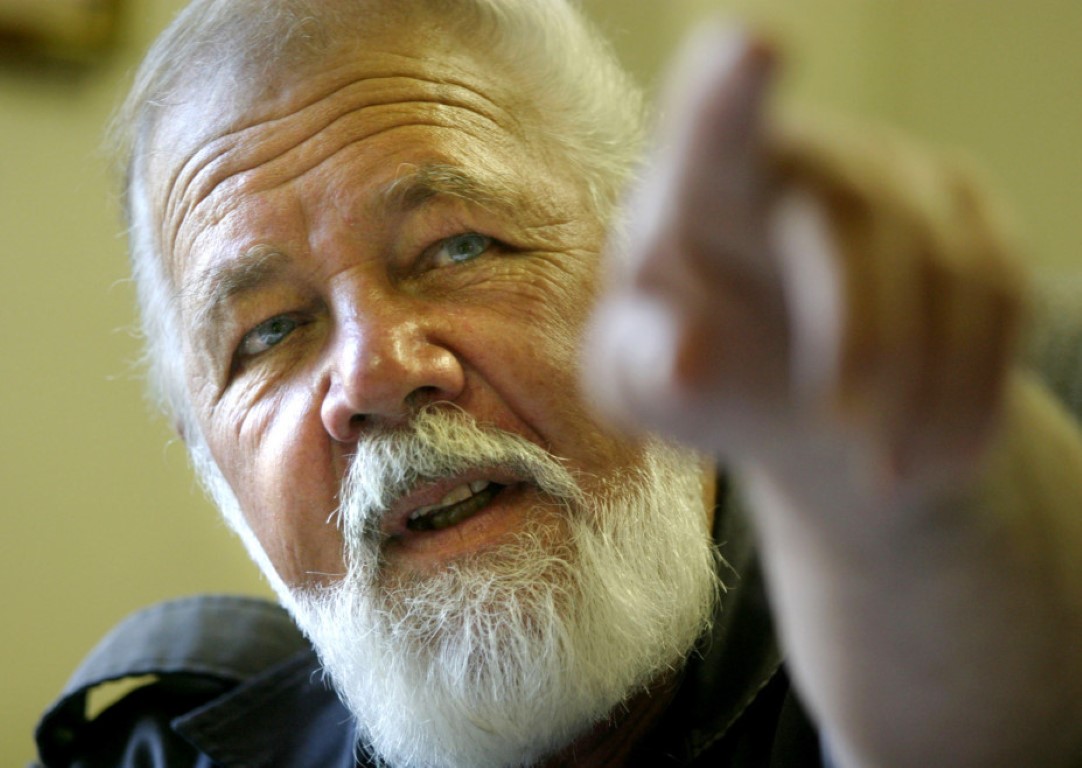
His name was Eugène Terre’blanche.
Mag sy siel in vrede rus.